In a nutshell
- 🌬️ Ten minutes of purge ventilation rapidly refreshes indoor air, boosting ACH to dilute CO2, VOCs, PM2.5, and moisture.
- 🧪 The method leverages a cross‑breeze and the stack effect, replacing stale air fast without the energy cost of prolonged drafts.
- ⏱️ Time it after pollutant spikes—cooking, cleaning, or showers—to reset air quality; expect lower humidity, fewer odours, and sharper concentration.
- 🛡️ Ventilate safely: choose low‑pollution windows/times, create through‑drafts, use restrictors around children, and note the brief airing’s minimal heat loss.
- 🧰 Layer strategies: run extractor fans, keep trickle vents open, add a HEPA air purifier if needed, and verify results with a CO2 monitor.
Open your windows for ten minutes a day. It sounds quaint, even old‑fashioned, yet UK building scientists and health experts keep returning to this simple habit because it works. In tightly sealed flats and draught‑proofed terraces alike, a short, sharp airing can flush out stale air, cut pollutants, and help keep damp at bay. The technique has a name: purge ventilation. It relies on fast air exchange rather than all‑day drafts. The result is immediate and noticeable. Odours lift. Moisture drops. Minds feel clearer. That ten‑minute window can transform indoor air quality without demanding expensive kit or complicated routines, especially when timed and executed well.
The Science of Purge Ventilation
Indoor air accumulates the by‑products of everyday life: CO2 from breathing, VOCs from cleaning sprays and paints, PM2.5 from cooking, and water vapour from showers and kettles. Left to linger, these pollutants build. Purge ventilation addresses that build‑up fast by creating a quick pressure and temperature‑driven swap between indoor and outdoor air. Building engineers describe this in terms of air changes per hour (ACH): the more complete room volumes replaced, the cleaner the air feels.
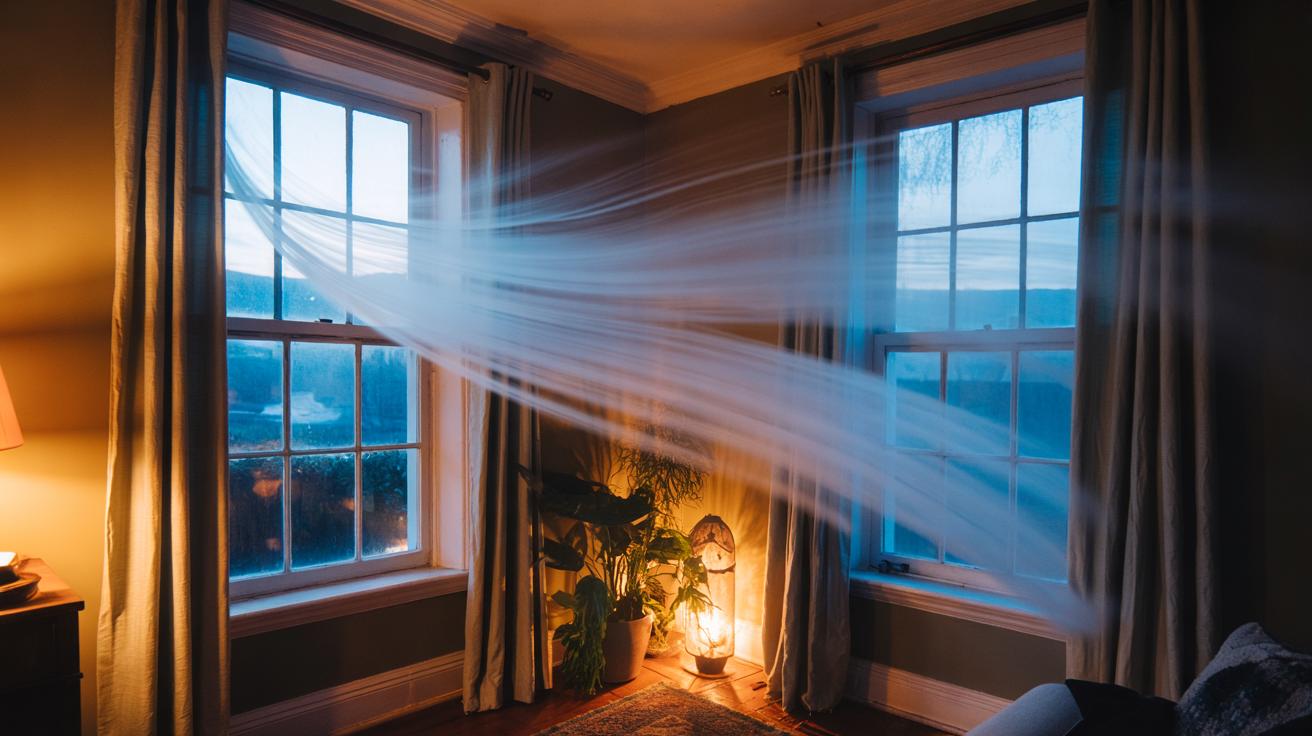
Open two windows opposite each other and you harness a cross‑breeze. Warm indoor air rises and escapes; cooler replacement air flows in low. This is the stack effect. Even in calm weather, temperature differences propel movement. Short duration, high flow. It’s the opposite of trickle vents, which provide gentle, continuous supply. Both have roles, but the ten‑minute method excels at clearing spikes—after cooking, cleaning, or a busy workday.
Why does it matter? Elevated CO2 is linked with sluggish thinking; high humidity fuels mould and dust mites; NO2 from gas hobs irritates airways. By exchanging a large fraction of room air swiftly, you dilute contaminants to safer levels with minimal energy penalty. It’s simple physics, applied daily.
What Ten Minutes Achieves Indoors
Practically, ten minutes can shift a stuffy room to a crisp one. In many UK homes, CO2 can climb above 1,500 ppm overnight; a strong cross‑vent can pull it back towards outdoor levels in minutes, often below 900 ppm depending on room size and window area. Humidity falls, too. That matters in winter when drying laundry indoors and in steamy bathrooms. Odours disappear because the molecules responsible are literally carried out.
Think of it as a reset button. A quick purge after cooking reduces PM2.5 and NO2 peaks. After cleaning, it sheds VOCs. After a shower, it limits condensation and the conditions mould loves. A brief, deliberate airing right after pollutant‑producing activities yields outsized benefits compared with leaving a window ajar all day.
| Pollutant | Common Indoor Source | Health Concern | Ten‑Minute Impact |
|---|---|---|---|
| CO2 | People breathing, closed rooms | Headaches, reduced alertness | Rapid dilution, clearer thinking |
| PM2.5 | Frying, toasting, candles | Lung and heart irritation | Cuts peak levels quickly |
| VOCs | Cleaners, paints, furnishings | Eye/throat irritation, odours | Speeds off‑gassing clearance |
| NO2 | Gas cooking/heating | Airway inflammation | Flushes post‑cooking spikes |
| Moisture | Showers, drying clothes | Mould growth, mites | Lowers RH, discourages mould |
When and How to Open Windows Safely
Timing matters. If you live beside a busy road, avoid peak traffic hours when NO2 and particles are highest. Choose early mornings, late evenings, or quieter periods. Face a courtyard or garden side where possible. On high pollen days, quick purge early or after rain; consider a bedroom purge long before bedtime to limit pollen exposure. Ten mindful minutes at the right time beats an hour of exposure at the wrong time.
Create a through‑draft: open two windows or a window and a door on opposite sides. The bigger the openings, the greater the flow, so even a small crack on the leeward side helps. In flats, stairwell doors can assist—if fire‑safety rules and neighbours permit. For security, use restrictors, stay present, and keep valuables away from open sashes. In homes with small children, fit child‑safety latches and open upper lights rather than lower casements.
Cold outside? The energy penalty is smaller than you think because the airing is brief. Walls and furniture store heat and re‑warm the fresh air quickly. Short, sharp airing minimises heat loss while maximising air quality. If outdoor air is smoky or very polluted, reduce duration, pick the cleanest window, and follow with filtration.
Complementary Strategies for Cleaner Air
A ten‑minute purge is powerful, but it’s not the whole story. Use extractor fans while cooking and for at least 15 minutes after, lids on pans, and back burners to keep fumes under the hood. In bathrooms, run the fan during and after showers; wipe condensation. Keep relative humidity around 40–60%—a cheap hygrometer helps. If drying laundry indoors, combine with a purge or use a dehumidifier to prevent damp.
Continuous background ventilation matters, too. Trickle vents should stay open unless outdoor air is clearly hazardous; they’re required in many UK homes to meet Part F ventilation standards. For allergy or urban hotspots, a HEPA air purifier complements window airing by capturing particles when windows are closed. Choose low‑VOC cleaning products, store solvents tightly sealed, and swap scented candles for unscented alternatives.
Measurement sharpens habit. A basic CO2 monitor reveals when rooms get stuffy and proves how fast they recover with a purge. That feedback builds confidence. Plants can lift mood, but don’t rely on them for filtration—they’re decorative, not industrial scrubbers. Think hierarchy: remove sources, ventilate smartly, then filter what remains. With those layers in place, the humble ten‑minute window ritual becomes the cornerstone of a cleaner, calmer home.
In a country of airtight new builds and ageing homes battling damp, the simplest daily intervention is also the most democratic: open the windows, let the air change, and reset your space. Do it after cooking, before bed, or when the room feels heavy; the science and your senses will agree. Start small. Be consistent. Notice how sleep, concentration, and odours respond. The cost is nearly nothing, the payoff is real. When will you try a ten‑minute purge, and how will you tailor it to your home’s rhythms and risks?
Did you like it?4.7/5 (26)