In a nutshell
- 🐌 Crushed eggshells act as a mechanical barrier, their rough, drying texture deterring snails; it’s not slicing, but abrasion + dehydration.
- 🥚 Prep & apply: rinse, dry/bake, crush to coarse grit; lay a continuous 3–5 cm ring about 1 cm deep, refresh after rain; best for pots and raised beds.
- ⚖️ Pros & cons: free, biodegradable, pet-safe, mildly adds calcium carbonate; effectiveness drops in wet weather and large beds, needs maintenance.
- 🛡️ Pairing tactics: combine shells with copper tape, wool pellets, targeted ferric phosphate; note metaldehyde is banned in Great Britain.
- 🔬 Evidence & strategy: outcomes vary by weather and placement; use within integrated pest management alongside night hand-picking, habitat tweaks, and better drainage.
Gardeners across Britain swear by a humble household leftover: crushed eggshells. On patios, in borders, and around precious veg, these chalky fragments are being scattered as a simple shield against marauding snails. It’s thrifty. It’s low-waste. And it’s disarmingly easy to try on a weekend. The theory is straightforward: snails dislike travelling over rough, desiccating textures. The practice, though, has nuances worth your time. Used well, eggshells can slot into a wider, wildlife-friendly defence strategy that protects tender leaves without resorting to harsh chemicals. Here’s what the trick really does, how to deploy it properly, and when to combine it with other methods.
Why Eggshells Deter Snails
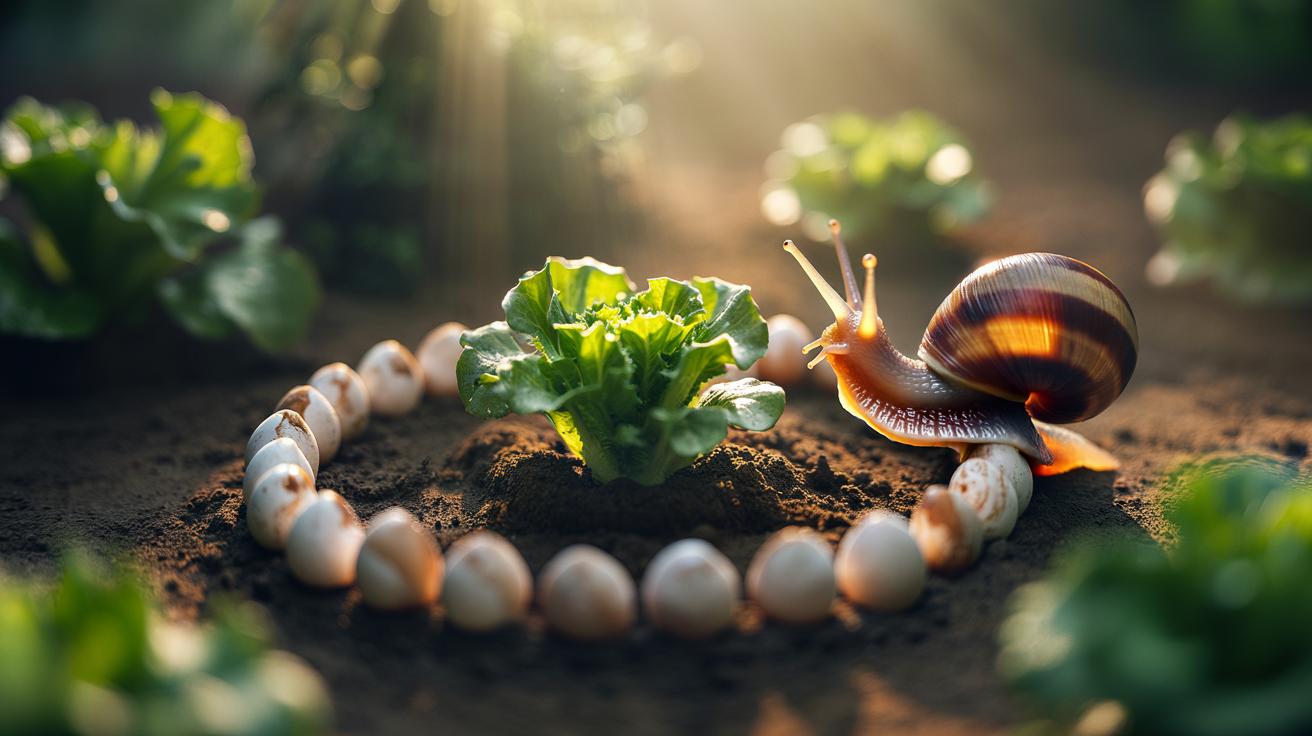
Crushed eggshells work as a mechanical barrier. Snails, with soft, moisture-dependent bodies, prefer smooth, damp routes that conserve water. Spread a gritty ring of shells and you create an abrasive, thirsty surface that discourages movement. It’s not barbed wire, and the fragments don’t “slice” them to pieces, but the texture is uncomfortable and drying. The true deterrent is roughness plus dehydration, not cruelty or toxicity. In warm spells, the white shards reflect heat and make a fortress-like perimeter around young lettuces, strawberries, and hostas.
There’s a bonus. Eggshells are largely calcium carbonate, and over months they break down and enrich the soil structure, particularly in acidic beds. They’re biodegradable, free, and visually obvious so you can gauge gaps at a glance. Still, results vary. On very wet nights, determined snails may cross, and in clay-heavy, already alkaline soils the nutritional top-up is minimal. Think of eggshells as a gentle nudge to snail behaviour, not a miracle cure.
Preparing and Applying the Shell Barrier
Save shells through the week. Rinse briefly to remove residue, then air-dry on a sunny sill or bake at low heat for 10 minutes to sterilise and make them brittle. Crush by hand in a bag or pulse in a blender, aiming for a coarse grit—about the size of gravel rather than dust. Fine powder cakes in rain and loses the abrasive advantage. Now, build a continuous ring around at-risk plants, 3–5 cm wide and roughly 1 cm deep. Continuity matters: a single gap is an open gate.
Refresh after downpours or vigorous watering, because moisture flattens and embeds the fragments. Top up around new growth, and sweep stray pieces back into line. If birds start pecking at the shells, it’s usually curiosity or calcium-seeking—harmless, but it can disturb the ring, so check daily during peak snail activity. In containers, the method shines: less ground to defend, fewer entry points, and quick visual checks. Use eggshells early in spring when seedlings are most vulnerable, then maintain as a light, bright mulch ring through summer.
Strengths, Limits, and Safe Alternatives
The attraction of eggshells is obvious: zero cost, household-sourced, pet-safe, and in keeping with a low-input ethos. They’re especially helpful for isolated planting pockets—herbs in pots, salad gardens, strawberries in raised beds—where a crisp border blocks the common approach routes. Yet they’re not perfect. In heavy rain, the barrier softens; in sprawling beds, keeping every edge tight is labour. Very hungry snails will sometimes grind across regardless. When pressure is high, combine tactics and widen your moat.
For a clearer view, here’s a quick comparison of popular barriers and baits used in UK gardens:
| Method | Cost | Effectiveness | Notes |
|---|---|---|---|
| Crushed Eggshells | Free/Very Low | Moderate | Best in pots and dry spells; needs regular top-ups. |
| Copper Tape | Medium | Good | Creates a mild electric-like deterrence; ideal for containers. |
| Wool Pellets | Medium | Good | Expands into a fibrous mat; works while dry. |
| Beer Traps | Low | Variable | Attracts slugs/snails; needs frequent emptying; may attract more pests. |
| Ferric Phosphate Pellets | Low | High | Approved in the UK; wildlife-friendly when used as directed. |
Note: Metaldehyde pellets are banned in Great Britain, reflecting a shift towards safer controls. For an eco-leaning approach, pair eggshell rings with copper tape on pots and strategic ferric phosphate in beds, then prune overhanging foliage that offers sheltered highways.
Evidence, Myths, and Real-World Results
Garden folklore can be persuasive. You’ll hear confident claims that shells “slice” snails; they don’t. The deterrence is about texture and moisture management. Trials and expert advice, including commentary from UK horticultural bodies, suggest mixed outcomes: some gardens report clear reductions, others see little change in wet summers. Efficacy depends on placement, weather, and the scale of your infestation. Importantly, eggshells support an integrated pest management mindset rather than all-or-nothing control. They nudge the odds in your favour without harming hedgehogs, birds, or pets.
Real-world success usually follows a pattern. Night patrols to hand-pick snails, tidy edges where they hide, encourage allies—frogs, ground beetles, thrushes—then build layered defences. Use shells as the visible line, copper for containers, and spot applications of ferric phosphate when pressure spikes. If a bed is chronically damp, improve drainage or raise it; you’ll help the plants and suppress molluscs. When conditions are stacked your way, eggshells feel surprisingly potent; when they’re not, they’re still a clean, useful part of the arsenal.
Crushed eggshells won’t turn your patch into a fortress, but they can buy seedlings precious nights, give containers a reliable edge, and quietly recycle kitchen waste back into the soil. The trick is consistency: maintain the ring, watch the weather, and combine it with habitat tweaks and smart barriers. Small, cumulative changes keep leaves intact and wildlife safe. Will you test a crisp white ring around your hungriest hotspots this week—and what mix of barrier methods will you pair it with to outsmart snails in your garden this season?
Did you like it?4.5/5 (30)