In a nutshell
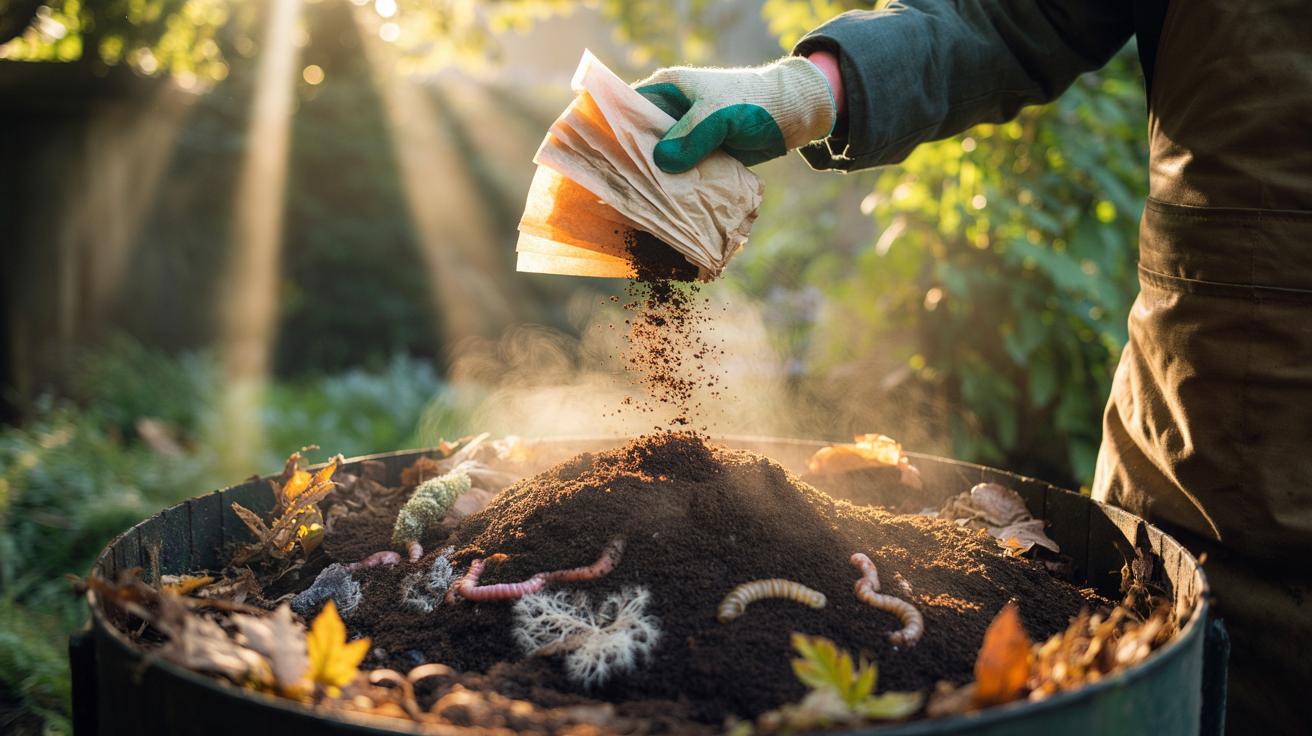
- ♻️ Composting coffee filters adds cellulose-rich carbon from the paper and nitrogen plus micronutrients from the grounds, building dark, stable humus plants love.
- 🍄 Filters energise the soil food web, supporting fungi and bacteria that improve structure, aeration, and water retention, while earthworms accelerate breakdown.
- ⚖️ Keep a balanced C:N ratio (25–30:1) by mixing torn filters (“browns”) with grounds (“greens”), maintaining moisture like a wrung-out sponge and turning for oxygen.
- ✅ Practice safe, practical composting: use unbleached or oxygen‑bleached filters, remove mixed materials, prioritise home‑compostable products, and check UK council guidelines for kerbside rules.
- 🌍 It’s climate‑smart: diverting filters and grounds from landfill helps reduce methane and closes the circular loop from morning brew to fertile beds.
Coffee is a daily ritual in countless British kitchens, and the humble paper filter often ends up in the bin. That’s a missed opportunity. Composting those filters, with their clingy layer of spent grounds, quietly enriches your garden. The paper is plant-based, rich in cellulose, and the grounds carry a payload of nitrogen and trace minerals. When mixed correctly, this duo accelerates decomposition, nourishes soil life, and locks carbon into stable humus. The result is crumbly, moisture-retentive compost plants love. It’s low effort, high return. And it keeps useful material out of landfill, cutting methane emissions and completing a satisfying loop from mug to mulch.
How Coffee Filters Feed the Soil Food Web
Think of a compost heap as a living city. Coffee filters arrive as clean “brown” fuel: long chains of cellulose and a touch of lignin that fungi adore. The thin paper tears easily, increasing surface area so microbes can colonise fast. Fungal hyphae wind through the filter fibres, gluing particles into stable aggregates and building the architecture of healthy soil. Add the attached coffee grounds and you introduce nitrogen-rich food that jump-starts bacterial activity. That one-two punch—steady carbon plus accessible nitrogen—keeps decomposition active without overheating or stalling.
This microbial bustle pays off in structure. Filters act like a scaffold, preventing soggy clumps by keeping pore spaces open for air, crucial for aerobic composting. As they break down, they contribute to humus, improving water retention while ensuring free drainage. Earthworms move in, fragmenting paper further and enriching the mix with casts rich in enzymes and plant-available nutrients. The outcome is not merely less waste; it’s soil regeneration. By feeding the soil food web, paper filters help transform yesterday’s brew into tomorrow’s root-ready compost.
Carbon, Nitrogen, and the Right Compost Balance
Composting thrives on a balanced C:N ratio, ideally around 25–30:1 by dry weight. Paper coffee filters are highly carbonaceous, often ranging between 130–170:1, while spent coffee grounds average near 20–25:1 and behave as a “green”. Blending the two keeps microbes supplied with energy (carbon) and protein-building nitrogen without runaway odours or a cold, inert heap. In practice, aim for roughly two parts torn filter and other browns to one part grounds by volume, adjusting for moisture. Keep the mix fluffy. If it smells sour, add more dry browns; if it sits lifeless, sprinkle in extra grounds or fresh greens.
| Material | Typical C:N Ratio | Main Contribution | Notes |
|---|---|---|---|
| Paper coffee filters | 130–170:1 | Carbon, structure | Tear to speed decay; keep dry pieces handy |
| Spent coffee grounds | 20–25:1 | Nitrogen, micronutrients | Moist; mix well to avoid clumping |
| Autumn leaves | 40–80:1 | Carbon, bulk | Shred for faster breakdown |
| Vegetable peelings | 12–20:1 | Nitrogen, moisture | Small pieces compost quicker |
Filters also moderate moisture. Grounds arrive damp, so a layer of dry, torn paper prevents anaerobic pockets. Turn the heap weekly to oxygenate, and keep it as moist as a wrung-out sponge. Consistent aeration plus a balanced C:N ratio is what converts coffee waste into dark, friable compost in weeks rather than months. If you’re hot-composting, that balance helps sustain 55–65°C, which speeds sanitisation and breaks down residual compounds efficiently.
Nutrients, Safety, and Smart Home Practices
Beyond nitrogen, spent coffee carries small but useful amounts of potassium (K), magnesium (Mg), phosphorus (P), and traces of calcium (Ca). These micronutrients migrate into the finished compost, subtly boosting plant resilience and flavour in crops. Concerned about acidity? Once brewed, grounds trend near neutral; filters are neutral too. The myth of “acidic compost from coffee” doesn’t hold in a well-managed heap. What matters is balance and airflow. Tear filters into ribbons, mix them through, and cap nitrogen-rich kitchen scraps with a dry paper layer to deter fruit flies and lock in smells.
On safety, modern white filters are typically oxygen-bleached and safe to compost; unbleached brown filters are excellent. Avoid filters with plastic reinforcements, metal staples, or polymer mesh—remove contaminants first. Certified compostable filters and paper-lined pour-over cones are fine, but skip mixed-material pods unless they explicitly carry a trusted home-compostable mark. In the UK, council food-waste schemes vary; check local guidance before adding filters to kerbside caddies. Home heaps benefit from diversity: combine filters with leaves, cardboard, and prunings for resilience across seasons. By treating filters as a structured carbon source rather than mere rubbish, you convert habitual waste into a steady nutrient dividend for your soil.
Composting coffee filters is an elegant fix for two modern problems: needless waste and tired soil. The paper supplies long-chain carbon that fuels fungi and builds structure; the grounds bring nitrogen and minerals that energise microbes and feed plants in the long term. It’s simple, circular, and quietly powerful. Turn the small act of tearing a filter into a weekly investment in living soil. With a kitchen caddy, a garden bin, and a little attention to balance, you’ll be brewing better compost alongside your morning espresso. What tweak will you try this week to make your coffee habit nourish your garden as well as your day?
Did you like it?4.6/5 (24)