In a nutshell
- 🌾 Boiled rice water is the starchy liquid from cooking rice; it supplies a gentle carbon source for soil microbes, supporting roots and growth, but it’s not a substitute for a balanced fertiliser.
- 💧 Preparation matters: use plain, unsalted water, cool it, then dilute (1:1 for mature plants, 1:3 for seedlings) and apply as a soil drench, keeping leaves dry to avoid mould.
- ⏱️ Apply sparingly—weekly in the growing season, monthly in winter—and use within 24–48 hours (refrigerate if needed); if it ferments or smells, divert it to the compost.
- 🌿 Expect modest gains: a lift in microbial activity, improved moisture dynamics, and perkier leafy plants; pair with compost and a balanced fertiliser for complete nutrition, and avoid overuse to prevent residue and gnats.
- ♻️ It’s frugal and sustainable—repurposing kitchen “waste” reduces inputs and saves money—low waste, low cost, and aligned with resilient, eco-friendly gardening.
Across Britain’s kitchens, a quiet gardening ally is tipped down the sink every evening. The cloudy liquid left after boiling rice carries a modest cargo of starches, trace minerals, and organic compounds that plants and soil life can use. Gardeners from allotments in Leeds to balconies in London are saving it, diluting it, and pouring it back into their beds as a gentle, home-made bio-stimulant. It won’t replace a balanced fertiliser, but it can nudge your soil biology in the right direction. Think of it as a by-product turned benefit. Used correctly, boiled rice water can support healthier roots, stronger microbial activity, and steadier growth.
What Is Boiled Rice Water and Why Gardeners Save It
Boiled rice water is simply the starchy, slightly opaque liquid you strain off after cooking rice. It contains suspended carbohydrates, tiny amounts of potassium, phosphorus, and other micronutrients lifted from the grain. While the nutrient analysis is low compared with commercial feeds, the real magic is indirect: starch acts as a gentle carbon source for soil microbes. When the micro-life thrives, roots find nutrients faster and structure improves. That can mean better water retention in a pot and a livelier rhizosphere in a border.
For gardeners, the appeal is practical and frugal. You’re repurposing a household “waste” stream into a soft tonic for houseplants, herbs, and leafy greens. The liquid is free of synthetic additives and, if you’ve cooked sensibly, free of salt. Do not use water that’s been salted or flavoured—sodium can scorch roots and upset soil chemistry. Many enthusiasts also observe that regular use encourages subtle, consistent growth rather than dramatic flushes. That steadiness is ideal for container plants, which can be stressed by strong fertilisers.
There’s also a sustainability angle. Every reused litre saves fresh tap water and reduces reliance on packaged feeds. In a cost-of-living squeeze, it’s an appealing, low-risk experiment that makes ecological and economic sense.
How to Prepare and Apply Rice Water Without Harming Plants
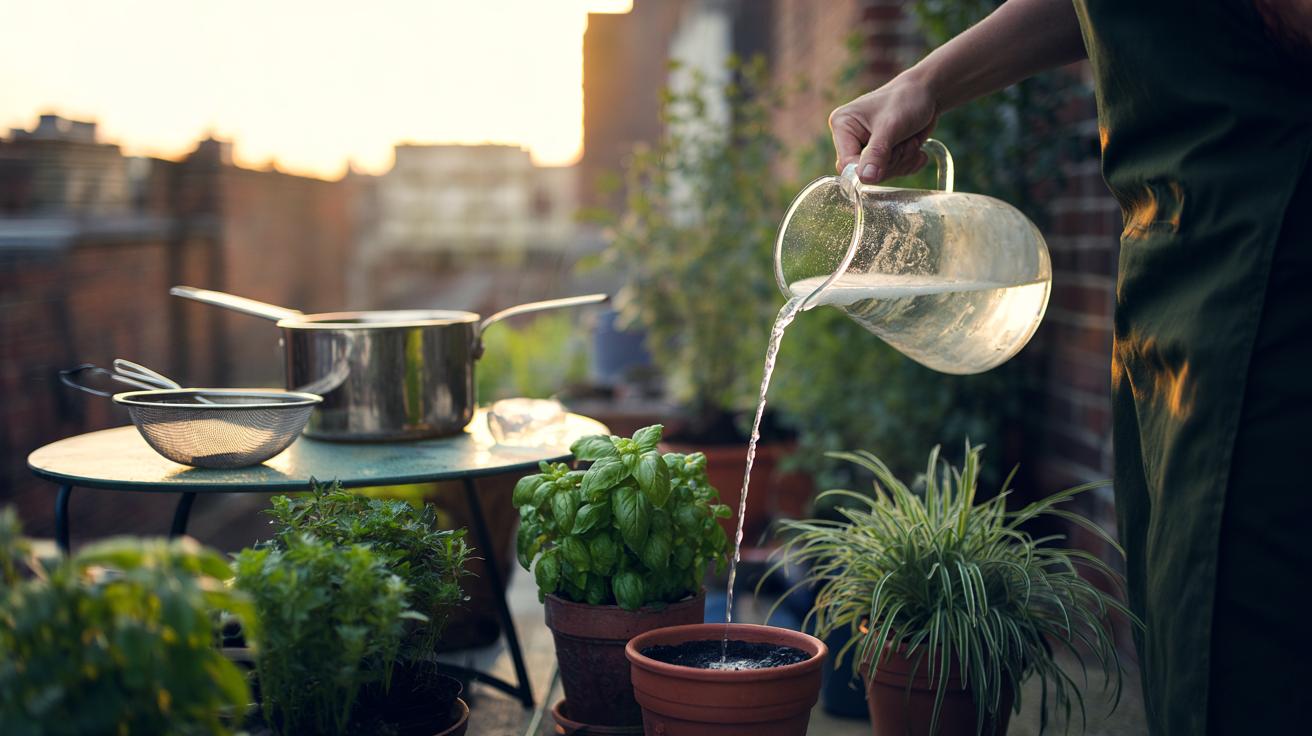
Start simple. Cook rice in plenty of fresh water, without salt, oil, or stock. When the grains are done, strain the hot liquid into a clean jug and allow it to cool fully. Once it reaches room temperature, dilute 1:1 with fresh water for established plants or 1:3 for seedlings and sensitive houseplants. Always apply as a soil drench; avoid wetting leaves, where residue can encourage mould.
Application is straightforward: water the base of the plant until the top 2–3 cm of compost is moist, then stop. Use no more than once a week in the growing season, and once a month in winter. If your potting mix is heavy, alternate with plain water to prevent any build-up of residues. For outdoor beds, a weekly can poured around feeder roots is plenty. If an odour develops during storage, it has begun to ferment—divert it to the compost heap instead of your pots.
| Aspect | Why It Matters | Quick Tip |
|---|---|---|
| Dilution | Prevents microbial blooms and root stress. | 1:1 for mature plants; 1:3 for seedlings. |
| Storage | Fermentation can attract pests and harm roots. | Use within 24–48 hours; refrigerate if needed. |
| Additives | Salt, oil, or stock can damage plants. | Only plain, unsalted cooking water. |
| Application | Residue on foliage encourages mould. | Soak soil, keep leaves dry. |
Benefits, Limits, and Evidence: What You Can Expect
It’s tempting to treat rice water as a miracle elixir. It isn’t. The benefits are typically modest but real: a gentle boost to microbial activity, slight improvements in soil moisture dynamics, and incremental increases in trace nutrients. Gardeners often report perkier foliage in basil, mint, and spider plants, with fewer signs of stress during warm spells. In vegetable beds, lettuces and leafy brassicas respond particularly well to the steady, low-key support.
What about science? Hard data is limited, but the mechanism is sound. Starches feed beneficial bacteria and fungi, which in turn help liberate nutrients locked in organic matter. That can indirectly support nitrogen and phosphorus uptake, even if the water itself is not nutrient-dense. Think of rice water as a catalyst for the soil food web, not a substitute for soil fertility. To keep expectations realistic, pair it with compost, mulches, and an occasional balanced fertiliser in peak growth. If leaves yellow or growth stalls, the issue is likely nutrient deficiency or poor drainage, not a lack of rice water.
There are limits. Overuse can create a slick residue in compacted compost, encouraging gnats and anaerobic smells. In very hard water areas, the combination of limescale and starch may leave deposits on the pot rim—wipe them away and flush the soil monthly with plain water.
Used thoughtfully, boiled rice water embodies the best of thrifty British gardening: low waste, low cost, and a nudge towards healthier soil. It won’t transform a struggling plant, but it can keep a healthy one humming along, especially when paired with compost and good cultural care. Test it on a single pot, take notes, and adjust your dilution to suit the plant and season. What could your windowsill or allotment look like in six weeks if you turned last night’s saucepan into today’s gentle feed—and which plant will you trial first?
Did you like it?4.6/5 (29)